Table of Content
It helps protect us by keeping foreign bodies and outside contaminants, such as dust and insects, from entering the ear canal. Healthline has strict sourcing guidelines and relies on peer-reviewed studies, academic research institutions, and medical associations. Although they may look safe and perfect for your ears, cotton swabs are too small to be used safely inside the ear and could cause damage. It's there to protect your ears from dirt and germs.
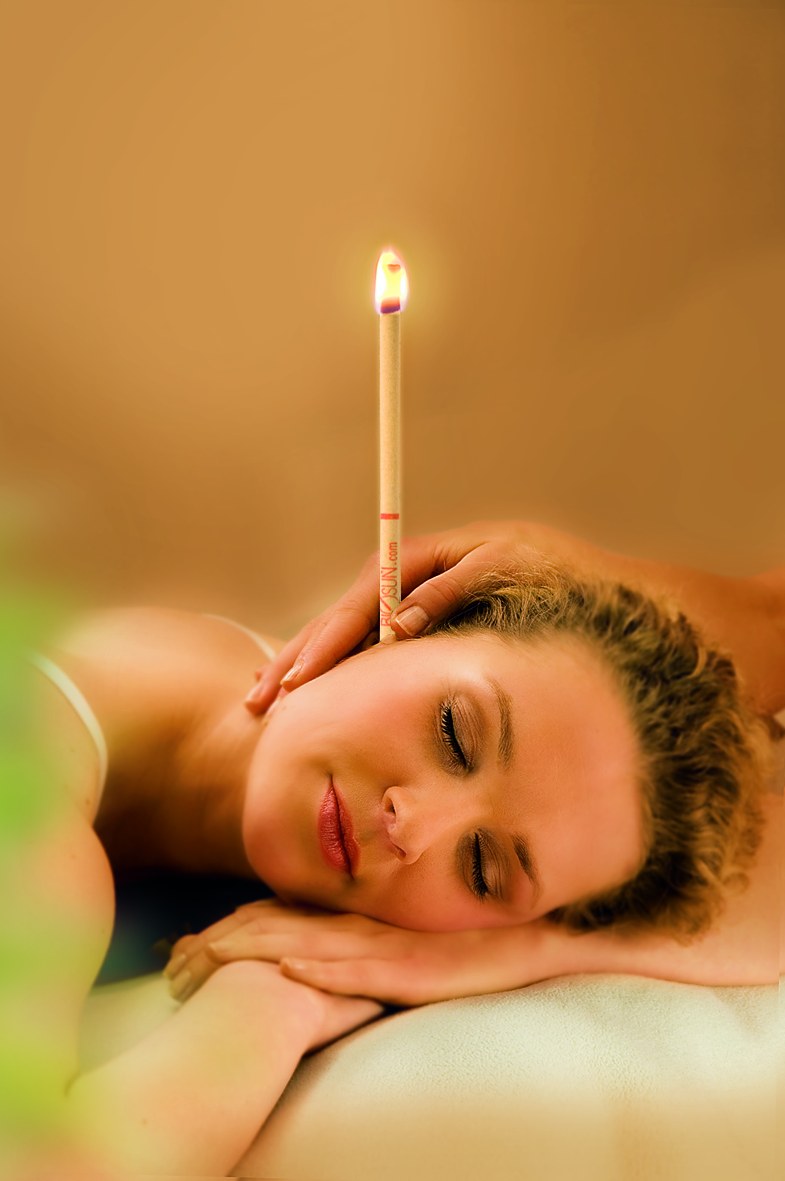
Dust and pollen will get caught in the wax and not go deep into the ear canal, which could damage the eardrum. The wax can also prevent the ability for bugs to crawl into your ear. After the solution has soaked into the earwax, the person should use the provided device to suck the solution into the bulb or flush the ear wax from the ear. Earwax removal kits or irrigation systems can vary slightly, based on the active ingredients and the exact device used.
About ENThealth.org
FlourishAnyway - Putting kidding aside, you just made me realize something. I’m a little OCD when it comes to personal hygiene, so maybe that’s why I overdid it with cleaning my ears and impacting the earwax. Now I’m forcing myself to not dry out my ears anymore after a shower. You don't want to flush out the normal wax under ordinary conditions.
A person should use some caution when using pure solutions of hydrogen peroxide or drops made with the solution. At low concentrations typically found in readily available household products, hydrogen peroxide can cause skin irritation. At concentrations of 10% or higher, it can cause burns on the skin. No, you cannot use hydrogen peroxide with an ear infection. If you think you have an ear infection see your GP for the correct treatment. Ear drops can’t be used if it’s suspected that your eardrum is damaged, or if you have a history of ear infections.
The side effects of excessive earwax
Another way is to use a vacuum cleaner with the hose attachment to remove the wax. A person may have ear wax on their ear for a long time, necessitating frequent ear irrigations. Some ear conditions necessitate the use of ear irrigation. It is possible that you will need to seek treatment from a specialist if ear irrigation does not work or is not advised.
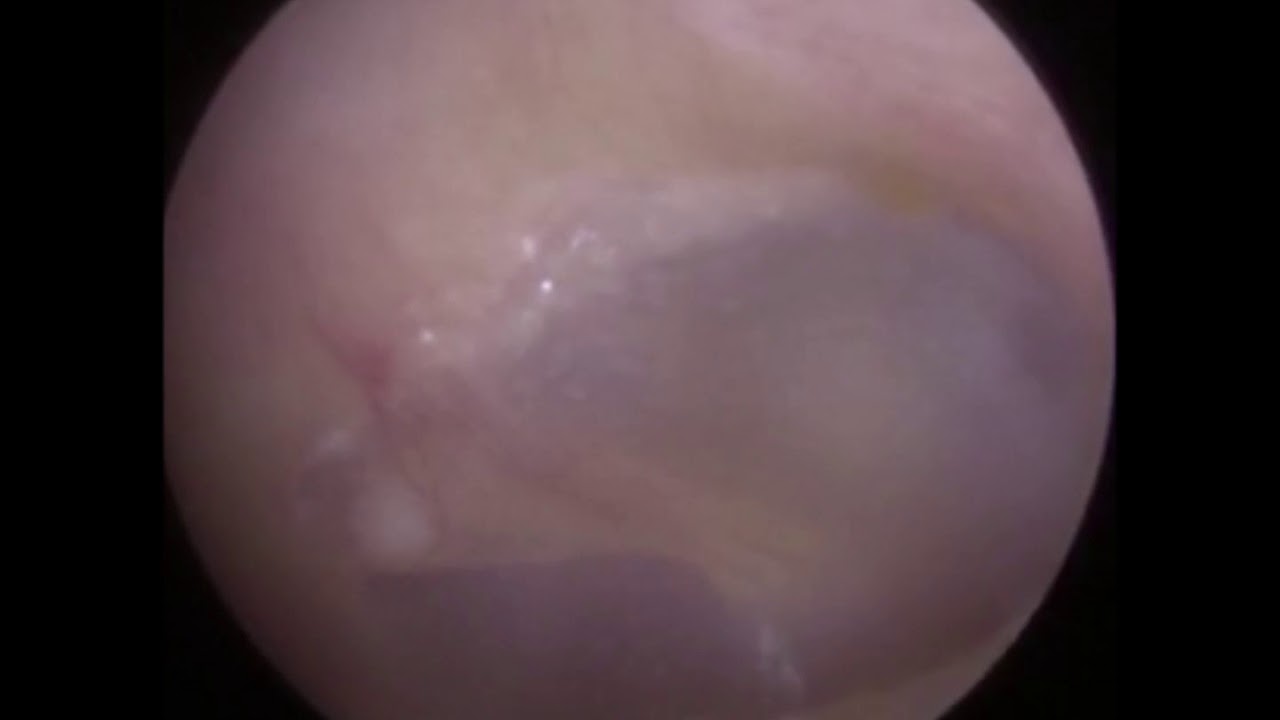
Olive oil softens ear wax, so there is no doubt about it, but the sludge produced by the softens is not visible in most ear canals. As a result, cotton buds are the second problem that a misinformed popular culture must address. It is never a good idea to swallow cotton buds in your ears, unless you are absolutely certain that you are expelling any additional substances. Ear wax is a naturally occurring substance that has antibacterial properties that protect and lubricate your ear. Excessive wax removal can be avoided by using microsuction.
The Best Way to Use the Ear Syringe
Your provider should easily see the wax when looking at your ear through a device called an otoscope. You may be at increased risk if you have a health condition that can cause increased earwax buildup, such as eczema. You may also increase your risk if you keep putting objects in your ear, such as a hearing aid.
In some cases, the cause of impacted earwax isn't known. The type of earwax you have is genetically determined by your biological parents and where your ancestors came from. South Asians, East Asians and Indigenous people are more likely to have dry earwax. People with African or European ancestry usually have wet earwax. The wet type of earwax is a dominant trait – if one of your parents has wet earwax, you’ll likely have it, too.
"Anything deeper should either be allowed to work its way out on its own or be removed by a physician." Impacted ear wax is especially common among the elderly because wax tends to become harder and less mobile, so it's less likely to work its way out. Hearing aids or earplugs can also prevent extrusion and cause blockage. Earwax forms in the outer third or some of the ear canal, not near the eardrum. So, when there's a buildup right up against the eardrum, it's often the result of failed removal attempts. Some people are simply born producing dry earwax that may be more likely to clump.
Your health care provider can see if you have earwax blockage by looking in your ear. Your provider uses a special tool that lights and magnifies your inner ear to look in your ear. Ear drops are liquid solutions — known scientifically as cerumenolytic agents — which help thin, soften, break up, or dissolve ear wax, so it can leave the ear.
So we’ve answered some of your questions around earwax removal safety, how best to deal with it and what to avoid while you’re at home. Essential oils — such as tea tree oil or garlic oil — are also not a proven treatment for earwax blockage. There is no data that shows they are safe for earwax removal, or that they work. Never attempt to dig out excessive or hardened earwax with available items, such as a paper clip, a cotton swab or a hairpin. You may push the wax farther into your ear and cause serious damage to the lining of your ear canal or eardrum.

But earwax, also known as cerumen, is not only normal, it’s necessary. I figure this might well be something I will be coming back to in the future. Suffering from hearing loss is not something any of us look forward to.
I always thought I was doing the right thing, carefully drying my ears with cotton swabs after taking a shower. I was always careful to avoid going in too far with the swabs. The purpose of this article is to show you how I succeeded in removing impacted earwax safely. I describe every step of my experience so you’ll know what to do.

Knowing that there is an effective way to reduce the symptoms is definitely something worth knowing about. I used to do the wax loosen stuff, then go to the Docs where the nurse would pour copious amounts of warm water into the ear, and it would start popping on the way home! It’s best not to probe in your ear with any type of instrument.




No comments:
Post a Comment